Fantasy Beta Reading, Proof Reading & Copy Editing

I was recently on the website of a British writer who also does Beta Reading, Proof Reading and Copy Editing work... and her prices were dirt cheap. Less than minimum wage for the amount of time they required, since she was charging on a per word basis and apparently not paying herself a fair wage.

Meanwhile I typically charge $35 CDN per hour for my editing services. (Roughly $27 USD with the current exchange rate.) For my day job I get paid way more than that, between $40 to $100 per hour.

But enough about that, what bothered me is that she was evidently so desperate for money that she was willing to do Beta Reading, Proof Reading and Copy Editing for such ridiculously low prices. Starving artist? Maybe.

So maybe you are wondering what is the difference between a Beta Reader and a Proof Reader? And while we are at it, Copy Editor.

Beta Reader

"A beta reader is usually an unpaid test reader of an unreleased work of literature or other writing, who gives feedback from the point of view of an average reader to the author. A beta reader is not a professional and can therefore provide advice and comments in the opinions of an average reader."

Usually. Not always. If you are paying the Beta Reader they are effectively a "Professional Beta Reader".

Proof Reader

"A proof reader is typically someone who reads of a draft of a text for publication to detect and correct production errors with respect to typeset, spacing, formatting errors, and making sure the document follows the correct style guide.

Copy Editor

"A copy editor edits a document for spelling and grammar mistakes, but also  to improve accuracy, readability, consistency, repetition, and also checks for production errors / omissions with respect to style guide, typeset, etc."


Of these three things, I admit the only thing I would want to be doing is Copy Editor. Beta Reader and Proof Reader just feel too boring to me and my perfectionism would be screaming at me to correct all the spelling and grammar mistakes. It isn't OCD, not yet at least, but it does cause me physical pain to my brain if I am reading things that have poor spelling and grammar.

Giving feedback on a book I could certainly do too, but I think I would want to combine the roles of Beta Reader and Copy Editor together. Get both done at the same time.

My impressions of the industry however is that many of these Beta Readers and Copy Editors are being too competitive with their prices and not even paying themselves a minimum wage. Also because some of them are charging on a per word basis (instead of charging per hour and providing an estimate of the time requirement/cost based upon editing a sample of the author's work), for documents that could be full of errors and take considerably more time than editing something that has very few errors.

Even so, even if the document had zero errors, the time required to read it alone means that a Beta Reader should be getting paid a reasonable amount.

Note however that the definition said "A beta reader is usually an unpaid test reader".  Literally unpaid.

Now maybe if two authors exchanged chapters of similar length, read them, and gave their thoughts, then that would be an equitable situation.

If I was asking a stranger to be a beta reader I would want to be paying them for their time (and get them to sign a NDA if possible).

I suspect however that in the future beta readers/proof readers could become obsolete. With AI getting smarter it could also be used to edit and provide creative feedback on the text.

Miior and Estrel 2nd Edition Stats

Miior and Estrel are henchmen that the PCs can gain when playing "The Haunted Halls of Eveningstar", a classic Dungeons and Dragons adventure module created by Ed Greenwood. I have run the module twice so far and I am a firm believer that I will do so again.

Because one of the times I ran "The Haunted Halls of Eveningstar" I modded it so it was set in Korovia I also created detailed stats for the two characters for that campaign since they both became henchmen. Those stats are now effectively canonical with respect to my Korovia Dungeons & Dragons campaigns. Thus for record keeping purposes I have decided to create an online backup of those stats, in case I ever need their stats for a future campaign and don't have access to my laptop at the time.

The stats below are therefore essentially for my personal use, and they make use of various house rules from my campaign. Eg. Like how I convert THAC0 into a bonus to hit because many younger players have difficulty understanding how THAC0 works, and also the matter of "Bonus Skills" on very specific esoteric topics. I also use Comeliness, an outdated stat that is rarely used by DMs any more, but I find it adds an enjoyable alternative to Charisma which has valuable roleplaying potential.

Note also that I have kept the original basic stats as set down by Ed Greenwood in the 2nd Edition module.

As a DM I find henchmen to be exceptionally useful for roleplaying purposes, but also as backup characters that the players can play in the event that their PC is knocked unconscious, captured, dead, etc. See also:

Henchemen stealing the glory? Or just supporting cast?

The rarely used Henchman in Dungeons and Dragons games


Who are the most popular urban fantasy authors?


Urban fantasy is a subgenre that blends elements of fantasy with contemporary settings, often featuring magical creatures, supernatural phenomena, and urban environments. Here are some of the most popular and influential urban fantasy authors:

  1. Jim Butcher: Butcher's "Dresden Files" series follows wizard and private investigator Harry Dresden as he solves supernatural mysteries in modern-day Chicago. The series has a large and dedicated fan base.

  2. Patricia Briggs: Briggs is known for her "Mercy Thompson" series, which centers around a shapeshifting mechanic who becomes entangled in the world of werewolves, vampires, and fae. Her books blend action, romance, and supernatural elements.

  3. Charlaine Harris: Harris gained fame with her "Sookie Stackhouse" series (also known as the "Southern Vampire Mysteries"), featuring telepathic waitress Sookie Stackhouse in a world where vampires have come out of the coffin. The series served as the inspiration for the TV show "True Blood."

  4. Seanan McGuire: McGuire's "October Daye" series follows the adventures of half-human, half-faerie detective October Daye in a modern-day San Francisco filled with magic and mythical creatures. Her works have garnered critical acclaim and a devoted following.

  5. Laurell K. Hamilton: Hamilton's "Anita Blake: Vampire Hunter" series revolves around the titular character, a necromancer and vampire executioner who navigates a world of supernatural creatures, romance, and political intrigue.

  6. Ilona Andrews: Ilona Andrews is the pseudonym for the husband-and-wife writing team of Ilona and Andrew Gordon. Their "Kate Daniels" series features a kickass mercenary living in a post-apocalyptic Atlanta, where magic and technology clash.

  7. Seanan McGuire (as Mira Grant): Under the pen name Mira Grant, McGuire has written the "Newsflesh" series, a post-apocalyptic urban fantasy that combines politics, journalism, and zombies. The series has won several awards.

  8. Kevin Hearne: Hearne's "Iron Druid Chronicles" series follows the adventures of the last surviving druid, Atticus O'Sullivan, as he battles supernatural threats in modern-day Arizona. The series is known for its humor and fast-paced action.

  9. Ben Aaronovitch: Aaronovitch's "Rivers of London" series (also known as the "Peter Grant" series) features a police constable who becomes an apprentice wizard in the London Metropolitan Police's supernatural division. The books blend mystery, humor, and magical elements.

  10. Kim Harrison: Harrison's "The Hollows" series takes place in a world where supernatural creatures coexist with humans. The series follows witch and bounty hunter Rachel Morgan as she navigates a world of magic, vampires, and demons.

Who are the most popular Grimdark Fantasy authors?

Grimdark fantasy is a subgenre characterized by its dark and gritty tone, morally ambiguous characters, and bleak settings. Here are some of the most popular and influential grimdark fantasy authors:

  1. Joe Abercrombie: Abercrombie is often regarded as one of the leading voices in grimdark fantasy. His "First Law" series, including "The Blade Itself," features morally gray characters, brutal violence, and a bleak and cynical worldview.

  2. Mark Lawrence: Lawrence's "The Broken Empire" trilogy, starting with "Prince of Thorns," follows the anti-hero Jorg Ancrath in a violent and unforgiving world. His works often explore themes of power, revenge, and the darker side of human nature.

  3. George R.R. Martin: While primarily known for his epic fantasy series "A Song of Ice and Fire," Martin's work contains elements of grimdark fantasy. The series is renowned for its morally ambiguous characters, ruthless politics, and brutal consequences.

  4. Glen Cook: Cook's "The Black Company" series is often considered a pioneer of the grimdark subgenre. It follows a group of mercenaries in a war-torn world, exploring themes of loyalty, morality, and the grim realities of warfare.

  5. Richard K. Morgan: Morgan's "A Land Fit for Heroes" trilogy, beginning with "The Steel Remains," combines elements of grimdark fantasy and science fiction. The series features flawed and morally complex characters in a brutal and unforgiving world.

  6. R. Scott Bakker: Bakker's "The Prince of Nothing" series, starting with "The Darkness That Comes Before," presents a dark and complex world inhabited by morally ambiguous characters and explores themes of religion, philosophy, and the nature of power.

  7. Scott Lynch: Lynch's "Gentleman Bastard" series, beginning with "The Lies of Locke Lamora," combines dark humor with gritty and violent storytelling. The series follows a group of con artists in a morally ambiguous and treacherous world.

  8. Anna Smith Spark: Spark's "Empires of Dust" trilogy, starting with "The Court of Broken Knives," offers a grim and visceral tale of power struggles, political intrigue, and morally ambiguous characters in a decadent and brutal world.

  9. Brian Ruckley: Ruckley's "The Godless World" trilogy, beginning with "Winterbirth," presents a dark and war-torn world where gods have fallen and morality is questionable. The series explores themes of power, religion, and the consequences of war.

  10. Luke Scull: Scull's "Grim Company" trilogy follows a diverse group of characters in a world plagued by war and corruption. The series offers a grim and violent portrayal of a dark and unforgiving fantasy setting.

Nerd vs. Geek: Debunking the Stereotypes

The terms "nerd" and "geek" have often been used interchangeably to describe individuals with a passion for intellectual pursuits and niche interests. However, these labels have also been burdened with stereotypes that can be misleading and unfair. In this blog post, we aim to debunk the stereotypes surrounding nerds and geeks, shedding light on the true essence of these terms and celebrating the diverse and multifaceted individuals they represent.

Defining Nerds and Geeks:

While the terms "nerd" and "geek" are often used synonymously, there are subtle distinctions between the two. Generally, nerds are associated with deep intellectual curiosity, academic pursuits, and a strong focus on knowledge. They are often portrayed as highly intelligent individuals with a passion for learning and mastery of specific subjects. Geeks, on the other hand, are often linked to a fervent enthusiasm for niche interests, such as comic books, video games, or technology. Geeks are characterized by their deep immersion in these hobbies and their ability to recite trivia and engage in detailed discussions.

Dispelling the Social Awkwardness Stereotype:

One of the most prevalent stereotypes associated with nerds and geeks is social awkwardness. However, this generalization does not accurately represent the diverse range of social skills and personalities within these communities. While some individuals may exhibit shyness or introversion, many nerds and geeks have well-developed interpersonal skills and thrive in social settings. Geek culture has also fostered vibrant communities and conventions where individuals can connect, share their passions, and forge lasting friendships.

Breaking the "Uncool" Stigma:

Another stereotype associated with nerds and geeks is the perception of being uncool or socially undesirable. However, in recent years, popular culture has played a significant role in challenging this stereotype. Movies, TV shows, and even fashion trends have embraced geek culture, portraying nerdy and geeky characters as confident, stylish, and influential. The rise of geek chic and the mainstream success of franchises like Marvel and Star Wars have contributed to reshaping the perception of nerds and geeks as stylish and cool individuals.

Celebrating Passion and Expertise:

Nerds and geeks are passionate individuals who dedicate themselves to their interests and often acquire extensive knowledge in their chosen fields. They embrace their passions wholeheartedly and find joy in immersing themselves in intellectual or niche pursuits. Rather than being confined by stereotypes, nerds and geeks should be celebrated for their enthusiasm, dedication, and the expertise they bring to their respective fields.

The Diverse Spectrum of Nerds and Geeks:

It is essential to recognize that nerds and geeks encompass a wide range of interests and backgrounds. From scientists and mathematicians to comic book enthusiasts and gamers, the world of nerdom is vast and inclusive. It is a diverse community that welcomes individuals from all walks of life, united by their shared love for intellectual pursuits, fandoms, and niche hobbies. This diversity defies simplistic stereotypes and highlights the rich tapestry of talents and interests within the nerd and geek culture.

Embracing the Hybrid Identity:

In reality, many individuals embody both nerd and geek qualities, blurring the lines between the two. It is not uncommon to find someone who is deeply passionate about a particular subject while also immersing themselves in a variety of geeky interests. The hybrid identity that emerges challenges the rigid definitions and emphasizes the fluidity and complexity of individuals' interests and personalities.

Conclusion:

Nerds and geeks are not defined by stereotypes but rather by their unique passions, interests, and expertise. It is crucial to debunk the misconceptions surrounding these terms and celebrate the diversity within these communities. By understanding and embracing the true essence of nerd and geek culture, we can foster inclusivity, appreciation, and respect for the individuals who contribute to this vibrant and intellectually stimulating world.

Who are the most popular Dark Fantasy authors?

Dark fantasy is a subgenre of fantasy characterized by its blend of horror + dark, atmospheric tone, morally ambiguous characters, and often gruesome or unsettling themes. Here are some of the most popular and influential dark fantasy authors:

  1. Clive Barker: Barker's works, such as "The Books of Blood" and "Weaveworld," are known for their visceral horror, dark imagination, and blending of fantasy and horror elements. His stories often explore the darker aspects of human nature.

  2. Neil Gaiman: Gaiman's works, such as "American Gods," "Neverwhere," and "Stardust," often blend fantasy, mythology, and horror to create dark and enchanting narratives with complex characters and haunting atmospheres.

  3. China Miéville: Miéville's works, including "Perdido Street Station" and "The Scar," feature a blend of dark fantasy, steampunk, and urban fantasy elements. His writing is known for its intricate world-building, vivid imagery, and complex themes.

  4. Joe Abercrombie: Abercrombie's "First Law" series and subsequent standalone novels, such as "The Blade Itself" and "Best Served Cold," are notable for their gritty realism, morally gray characters, and brutal depictions of violence.

  5. Mark Lawrence: Lawrence's "The Broken Empire" trilogy, starting with "Prince of Thorns," is a dark and gritty tale following the anti-hero Jorg Ancrath. His works often explore themes of power, revenge, and redemption.

  6. Glen Cook: Cook's "The Black Company" series delves into dark fantasy with its morally ambiguous characters and gritty portrayal of mercenaries in a war-torn world. The series blends elements of fantasy and military fiction.

  7. Michael Moorcock: Moorcock's "Elric of Melniboné" series is often categorized as dark fantasy, featuring a tragic anti-hero struggling with his own dark nature. The series explores themes of fate, addiction, and the struggle between chaos and order.

  8. Anne Rice: Rice's "The Vampire Chronicles" series, beginning with "Interview with the Vampire," offers a blend of dark fantasy and horror, delving into the lives of immortal vampires and their complex relationships.

  9. Caitlín R. Kiernan: Kiernan's works, such as "The Drowning Girl" and "Silk," combine dark fantasy, horror, and psychological elements. Her stories often explore the intersection of dreams, reality, and the supernatural.

  10. Andrzej Sapkowski: Although primarily known for his "Witcher" series, Sapkowski's works contain dark fantasy elements with its morally ambiguous characters, gritty atmosphere, and exploration of the darker aspects of humanity.

What are the most popular Sword and Sorcery authors?

Sword and Sorcery is a subgenre of fantasy characterized by its focus on action-packed adventures, heroic warriors, and the clash between magic and combat. Here are some of the most popular and influential sword and sorcery authors:

  1. Robert E. Howard: Considered the creator of the sword and sorcery genre, Howard is best known for his iconic character Conan the Barbarian. His fast-paced stories featuring Conan have had a lasting impact on the genre.

  2. Fritz Leiber: Leiber's "Fafhrd and the Gray Mouser" series follows the exploits of two rogues in the city of Lankhmar. Known for their swashbuckling adventures and witty banter, the series is a classic in the sword and sorcery genre.

  3. Michael Moorcock: Moorcock's "Elric of Melniboné" series is a seminal work in sword and sorcery. It features the tragic anti-hero Elric, wielding the soul-devouring sword Stormbringer, in a dark and chaotic world.

  4. C.L. Moore: Moore's character Jirel of Joiry is a pioneering figure in the sword and sorcery genre. Jirel is a fierce warrior and sorceress, embarking on dangerous quests and battling supernatural foes.

  5. Karl Edward Wagner: Wagner's "Kane" series features the immortal warrior Kane, a complex and morally ambiguous figure. The series delves into dark themes and offers a unique twist on the sword and sorcery formula.

  6. David Gemmell: Gemmell's novels, such as the "Drenai Saga" and the "Legend" series, are known for their gritty battles, larger-than-life heroes, and themes of honor and redemption. His works have a strong following in the sword and sorcery genre.

  7. Brent Weeks: Weeks' "Night Angel Trilogy" showcases a blend of sword and sorcery elements with an emphasis on assassins, magic, and political intrigue. The series has gained popularity for its fast-paced storytelling and compelling characters.

  8. Charles R. Saunders: Saunders' "Imaro" series follows the adventures of the eponymous warrior in a world inspired by African mythology. The series brought diversity to the sword and sorcery genre with its African-inspired setting and characters.

  9. Andrzej Sapkowski: Although best known for his "Witcher" series, which has gained immense popularity through video games and a Netflix adaptation, Sapkowski's work contains elements of sword and sorcery, featuring the monster-hunting protagonist Geralt of Rivia.

  10. Paul S. Kemp: Kemp's "Erevis Cale" series combines elements of sword and sorcery with urban fantasy, following the adventures of the conflicted assassin Erevis Cale in the Forgotten Realms setting.

Weird Westerns + Traditional Westerns: Themes

The following two lists is largely for myself. As a writer I find it often useful to research the genre or subgenre I am writing about. In this case I am researching the themes commonly found in both Weird Westerns and Traditional Westerns (literature, not necessarily films).

Lately I have been writing Weird Western short fiction and my instincts as a writer are to combine the traditional themes found in normal Westerns with those found in Weird Westerns. Why? Because that's how I roll...

Rollin' rollin' rollin'...


Themes found in Weird Westerns

Weird Westerns are a unique subgenre that combines elements of traditional Westerns with elements of supernatural, horror, fantasy, or science fiction. These stories often take place in the American Old West but incorporate strange or fantastical elements. Here are some common themes found in Weird Westerns:

    Supernatural Elements: Weird Westerns often feature supernatural or paranormal elements such as ghosts, zombies, vampires, werewolves, witches, or mythical creatures. These elements blur the line between reality and the supernatural world.

    Magic and Witchcraft: Magic and witchcraft play significant roles in many Weird Westerns. Characters may possess mystical abilities, wield enchanted objects, or engage in rituals and spells.

    Steampunk Technology: Some Weird Westerns incorporate steampunk elements, blending advanced technology with the aesthetics of the Wild West. This can include steam-powered machinery, clockwork devices, and futuristic inventions within a historical setting.

    Cursed Objects or Artifacts: Strange and cursed objects or artifacts are often central to the plot of Weird Westerns. These items may possess supernatural powers or bring about unexpected consequences for those who possess or use them.

    Outlaws and Lawmen: The classic conflict between outlaws and lawmen is a recurring theme in Weird Westerns. However, in this subgenre, both sides may possess supernatural abilities or be influenced by otherworldly forces, adding an extra layer of complexity to their confrontations.

    Native American Mythology: Weird Westerns often incorporate Native American mythology and folklore, drawing on their rich traditions and legends. Native American spirits, gods, or shamans may play significant roles in the story.

    Cosmic Horror: Some Weird Westerns introduce elements of cosmic horror, where characters encounter ancient, unknowable entities or face the existential dread of vast cosmic forces beyond human comprehension.

    Frontier Justice: The concept of frontier justice, where individuals take the law into their own hands, is a recurring theme in Weird Westerns. However, in this subgenre, justice may be meted out by supernatural beings or influenced by magical or otherworldly forces.

    Mysterious Locations: Weird Westerns often feature mysterious and dangerous locations such as haunted towns, cursed mines, desolate plains, or ancient burial grounds. These settings create an atmosphere of mystery and foreboding.

    Moral Ambiguity: Weird Westerns often explore moral ambiguity, with characters who are neither wholly good nor evil. The line between hero and villain may be blurred, and protagonists may be forced to make difficult choices in a morally complex world.


Themes found in Traditional Westerns

Westerns are a popular genre that typically revolve around stories set in the American Old West, typically during the 19th century. Here are some common themes found in Westerns:

    Frontier Life: Westerns often explore the challenges and hardships faced by individuals living on the frontier. This includes themes of survival, self-reliance, and the struggle to carve out a new life in untamed territory.

    Justice and Lawlessness: Westerns frequently delve into themes of justice and lawlessness. They explore the conflict between outlaws and lawmen, and often depict the efforts to establish order in lawless towns and territories.

    Honor and Codes of Conduct: Many Westerns emphasize themes of honor, integrity, and personal codes of conduct. Characters are often guided by a sense of morality and principles that shape their actions and decisions.

    Revenge and Redemption: Revenge is a recurring theme in Westerns, where characters seek vengeance for past wrongs. This theme is often intertwined with the concept of redemption, as characters grapple with their past actions and seek a chance at redemption.

    Conflict with Native Americans: Westerns frequently depict the conflicts between settlers and Native American tribes. These stories explore the clash of cultures, land disputes, and the impact of westward expansion on indigenous peoples.

    Individualism and Freedom: Westerns often celebrate the rugged individualism and pursuit of personal freedom. Characters in Westerns are often portrayed as independent, self-reliant individuals who value their liberty and are willing to fight for it.

    Nature and the Environment: Westerns often showcase the vast and untamed landscapes of the West. Nature plays a significant role, emphasizing the beauty, dangers, and challenges of the wilderness, from arid deserts to towering mountains.

    Myth of the Old West: Westerns frequently incorporate elements of the myth and legend surrounding the Old West. They draw on the archetypes of the cowboy, the gunslinger, and the outlaw, creating iconic and larger-than-life characters.

    Exploration of Masculinity: Westerns often explore different facets of masculinity, ranging from stoic and morally upright heroes to complex and morally ambiguous anti-heroes. They examine ideas of masculinity, honor, and masculinity's relationship with violence.

    End of an Era: Many Westerns explore the idea of the West as a fading frontier. They capture the sense of nostalgia for a bygone era and the changes brought by the arrival of civilization and modernity.


For anyone interested in my stories, please check out the following:

A Dark Road in Louisiana

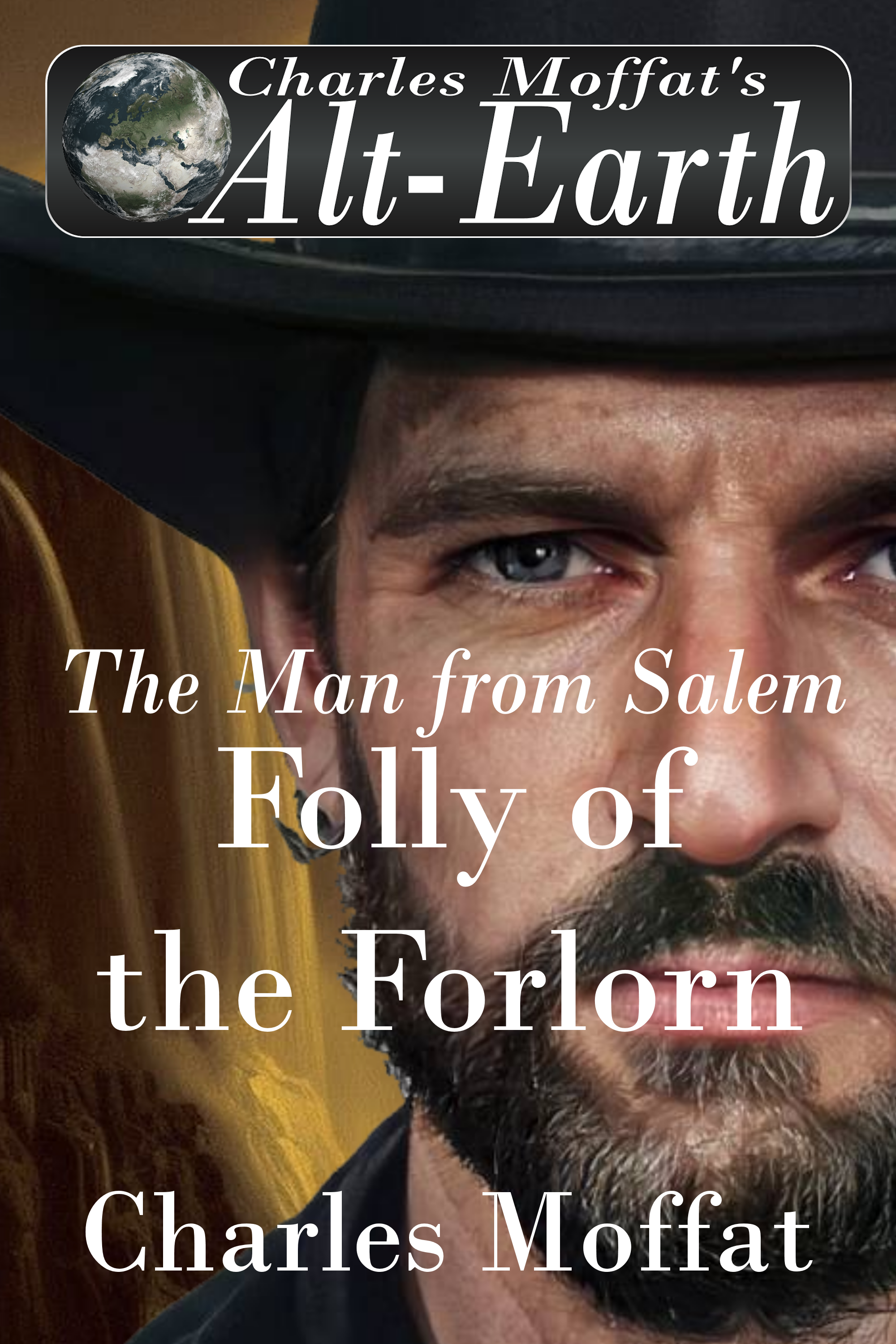
Folly of the Forlorn

Both stories are from my Alt-Earth series and feature "The Man from Salem" as the main character, who is a wandering monster hunter.


What are the most popular high fantasy authors?

High fantasy is a beloved genre with many talented authors. Below are some of the most well-known and highly regarded high fantasy authors:

  1. J.R.R. Tolkien: Often considered the father of modern high fantasy, Tolkien's "The Lord of the Rings" trilogy and "The Hobbit" are timeless classics that have had a profound influence on the genre.

  2. George R.R. Martin: Known for his epic "A Song of Ice and Fire" series, which inspired the hit TV show "Game of Thrones," Martin's intricate world-building and complex characters have captivated readers worldwide.

  3. Brandon Sanderson: Renowned for his meticulous world-building and intricate magic systems, Sanderson has created vast high fantasy worlds in series such as "The Stormlight Archive," "Mistborn," and "The Wheel of Time" (completing Robert Jordan's original series).

  4. Patrick Rothfuss: Rothfuss gained immense popularity with "The Kingkiller Chronicle" series, known for its lyrical prose, captivating storytelling, and rich world-building.

  5. Robert Jordan: Although no longer with us, Robert Jordan's epic "Wheel of Time" series, comprising 14 books, has amassed a massive fanbase and is considered a high fantasy staple.

  6. Robin Hobb: Hobb is celebrated for her emotionally resonant characters and intricate storytelling in series such as "The Realm of the Elderlings," which includes subseries like "The Farseer Trilogy" and "The Liveship Traders Trilogy."

  7. Terry Brooks: Known for his long-running "Shannara" series, Brooks has crafted a vast high fantasy world spanning multiple generations and epochs.

  8. Ursula K. Le Guin: Le Guin's "Earthsea" series is regarded as a classic in the genre, blending beautifully written coming-of-age stories with profound themes and a richly imagined world.

  9. Terry Goodkind: Goodkind's "Sword of Truth" series gained popularity for its blend of high fantasy and philosophical themes, following the adventures of Richard Cypher in a world of magic and prophecy.

  10. Raymond E. Feist: Feist's "Riftwar Cycle" series, starting with "Magician," has captured readers' imaginations with its sprawling world, compelling characters, and epic conflicts.

The Rise of Comic Book Movies: How Superheroes Conquered the Box Office

In recent years, comic book movies have taken the entertainment industry by storm, dominating the box office and capturing the hearts of audiences worldwide. From the early successes of films like "X-Men" and "Spider-Man" to the record-breaking blockbusters of the Marvel Cinematic Universe (MCU) and the DC Extended Universe (DCEU), superhero films have become a cultural phenomenon. In this blog post, we will delve into the rise of comic book movies and explore the factors that have propelled superheroes to conquer the box office.

The Foundation: Pioneering Films and Fanbase Building

The journey of comic book movies began with a few groundbreaking films that laid the foundation for the genre's success. Films like Tim Burton's "Batman" in 1989 and Richard Donner's "Superman" in 1978 demonstrated that superheroes could be adapted successfully for the big screen, captivating audiences and establishing a fanbase hungry for more. These early successes paved the way for subsequent superhero adaptations and ignited the imaginations of both comic book enthusiasts and mainstream audiences.

Advancements in Technology and Visual Effects

Advancements in technology and visual effects have played a pivotal role in bringing comic book characters to life in spectacular fashion. The evolution of CGI (computer-generated imagery) and the seamless integration of special effects have made it possible to create awe-inspiring action sequences and visually stunning worlds. This technological progress has allowed filmmakers to translate the fantastical elements of comic books onto the big screen, capturing the imagination of audiences and immersing them in the superhero experience like never before.

Character-driven Storytelling and Compelling Cinematic Universes

One of the key factors behind the success of comic book movies lies in their ability to tell engaging and character-driven stories. Superhero films have moved beyond simple action spectacles, delving into complex narratives that explore themes of heroism, identity, and moral dilemmas. Audiences have been drawn to the emotional depth and relatability of the characters, developing strong connections with their journeys and struggles.

Moreover, the establishment of cinematic universes, pioneered by Marvel Studios with the MCU, has revolutionized the genre. The interconnectivity of films, intricate story arcs, and the promise of shared universes have created a sense of anticipation and investment among fans. The MCU's success in crafting a cohesive narrative across multiple films has inspired other studios, like DC, to adopt a similar approach, further expanding the superhero genre's reach and longevity.

Crossing Genres and Embracing Diverse Storytelling

Comic book movies have transcended the confines of the superhero genre, exploring different tones, genres, and storytelling approaches. From the political thriller of "Captain America: The Winter Soldier" to the space opera of "Guardians of the Galaxy" and the heist film elements in "Ant-Man," superhero movies have showcased their versatility. This diversity in storytelling has attracted a broader audience, appealing to fans of various genres and expanding the superhero movie's appeal beyond traditional comic book enthusiasts.

Pop Culture Impact and Nostalgia

Superhero movies have become a significant part of popular culture, permeating various forms of media and influencing fashion, merchandise, and even everyday conversations. The prevalence of superheroes in our collective consciousness has sparked nostalgia and a renewed interest in comic book characters. Audiences, both young and old, have embraced the opportunity to see their beloved heroes on the big screen, reliving their childhood memories and sharing the experience with new generations.

Conclusion:

The rise of comic book movies and the dominance of superheroes at the box office can be attributed to a combination of factors: pioneering films that established the foundation, technological advancements that brought the fantastical to life, character-driven storytelling, the establishment of interconnected cinematic universes, diverse genres and storytelling approaches, and the enduring impact of pop culture and nostalgia. Superhero movies have evolved from niche adaptations to a global cultural phenomenon, captivating audiences with their action-packed spectacles, relatable characters, and compelling narratives. As the genre continues to evolve and expand, we can look forward to new heroes, innovative storytelling techniques, and even more thrilling adventures that keep us eagerly anticipating the next chapter in the superhero movie revolution.

Publishing a fantasy book? Make sure you get a professional fantasy book editor.

Looking for fantasy books by indie authors? Browse indie fantasy books at ArcaneTomes.Org

Popular Posts